
You might like to read the new vaccination article whether it’s you or your pets that are travelling. Click Here to read more.
Heat exhaustion, not just heat stress, is causing problems with the extended and very hot and dry weather in Qld, NSW, SA and Vic. While most trained pet people can identify heat stress (remember, NO TOWELS!), heat exhaustion can be harder to identify, but just as deadly. Different to heat exhaustion in humans, it happens when there have been multiple days of hot weather PLUS hot nights that do not allow the animal to recover. These animals are often only marginally dehydrated (and you may not notice), but become lethargic, depressed, off food. Often they are found in the morning “dead in their basket” and it’s a particular issue for very young, old, overweight and brachycephalic pets. It’s a particular problem for pet industry business, particularly for pet sitting/minding (where subtle changes may not be noticed if the animal is only seen for short periods daily, or cats held in hothouses for many days at a time; boarding businesses (where hot facilities may take a while to cool down at night) and grooming salons (where the heat inside the salon can tip an animal “over the edge).
Deal with it by working hard to allow the animal to cool down and sleep soundly overnight –eg by cooling gel bedding, air conditioning, low-energy foods. Minimise exercise in all forms, and keep the animal hydrated by “drink treats” (eg 25% lactose-free milk in water), or “icy poles” (frozen water or frozen “drink treats”. Be very aware of the association between heat exhaustion and lethargy or visible dehydration (gum assessment, for those who have done their Pet First Aid course) and get the animal to the vet as soon as possible if signs are seen – do not wait. Sometimes I/V fluids can be lifesaving, as can rest overnight in an air-conditioned surgery!
Oatmeal isn’t as safe as you might think! Everyone knows that Oatmeal is “soothing” and “gentle” , right? That’s why it’s included in everything from soaps to shampoos to ear cleaners. For some angry skins, it can be “soothing” and reduce redness and irritation.
BUT oatmeal is also an allergen. Animals and humans who are prone to allergies can develop allergy to oatmeal, and it’s relatively common. Like all allergies, it usually develops over time with multiple exposures, with the reaction getting worse each time.
The oatmeal allergy is associated with:
HERE’S THE PROBLEM. For most of these symptoms, groomers and even some veterinarians would recommend oatmeal shampoos, ear cleaners or other oatmeal products!
HERE’S WHAT TO DO – Don’t throw out your oatmeal yet! Oatmeal products can still be soothing and give the coat a lovely texture. So do this:
A quick note that Westies can be very susceptible to yeast skin infections (Malassezia) . Hair is lost, skin is dry and flaky and may also host bacterial secondary infection and itchiness. It can also occur in association with Cushing’s disease, which many groomers already deal with.
This MUST be seen by a veterinarian. Cushings animals with skin problems that are not getting better should be referred for skin scrapings in case a yeast infection has started. DO NOT persist with washing/treating these animals for more than a couple of weeks without proper diagnosis. Animals with Cushings with no yeast infection will have thin skin with hair loss that is otherwise in reasonable condition.
Treatment for yeast based skin conditions normally includes specialist anti-yeast topical treatments (NOT shampoos) and/or oral treatments.
Winter is coming and therefore so is Canine Cough season. Remember that vaccines can only reliably provide 12 months protection; that the vaccine is only about 85% effective so all animals in the community must be vaccinated to protect non-responders; and that Bordetella is everywhere, not just in kennels. Dog parks, obedience clubs, off-leash beaches, grooming salons, pet minding, pet sitting and even pet shops that allow you to bring in your dog are risk areas.
NOW is the time to check vaccination certificates for all pets coming into your pet business, NOW is the time to remind clients that vaccination is needed. Being a responsible member of the pet industry also means educating your clients.
Remember, getting your dog boosted for Canine Cough can also improve the human’s immunity to Whooping Cough. There is an association between immunity to one and the other, so thank your dog for sneezing all over you on the way home from nasal vaccination at the vet’s!; so it’s not only going to protect the dogs but might also help the people, including your staff!
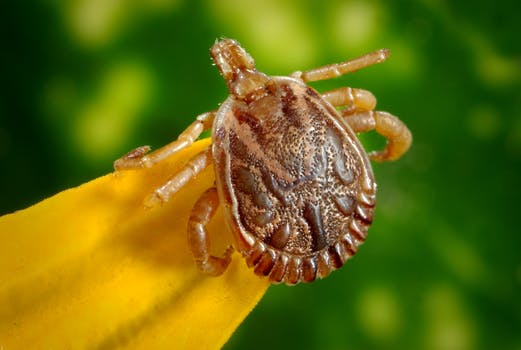
The drought in the central NSW (including Central Coast and Sydney) has led to a delayed tick season, with local practices reporting a steady stream of tick cases and a peak around 7 days after recent showers. REMIND YOUR CLIENTS!
To celebrate the Year of the Dog, the Berlin film festival is leading with a new movie called “Isle of Dogs” due to release in Australia in March. See the trailer HERE
Is this the most complete list of cat names ever produced in the industry? Look down the lists for inspiration for Australian Pets. CLICK HERE
Just like humans, pets can get “dementia” (age related cognitive decline). This can be seen as behavioural and other changes including:

In one study, 28% of dogs 11 to 12 years of age and 68% of dogs 15 to 16 years of age had at least one sign of dementia, and 28% of cats 11 to 14 years of age and 50% of cats 15 years of age or older also exhibited at least one behavior change attributable to dementia.
Things you can do to help old pets and pets with cognitive decline (dementia)
1. Remember, old pets have pain. Osteoarthritis or nerve conditions limit activity. Tailor the environment to minimize pain and risk of injury. For example, provide nonslip surfaces (eg, rugs, mats) for secure footing and to encourage pets to be more active.
A series of steps or platforms may allow elderly cats access to their favourite, elevated resting areas they can no longer reach by jumping. For pets who find exercise difficult, focus should be on mental stimulation rather than physical activity.
2. Remember that old pets may be going blind or deaf. For these pets, training and communication may be modified by using visual (ie, hand) signals or by using verbal or tactile cues (eg, a light tap on the shoulder).
3. Remember that blind or deaf old pets, or pets with problems can get anxious or stressed. Sudden changes to environment or routine may stress older pets, particularly cats. Make changes slowly and limit them to one or 2 minor changes at a time. Once a pet is happy with these changes, additional activities or changes can be introduced.
4. Physical Exercise isn’t just important, it can slow mental decline. Exercise has been shown to improve memory in elderly beagles. Exercise should take each pet’s physical abilities and health into consideration (many old pets have heart disease). Slow, controlled leash walks, swimming, or hydrotherapy may be good options for dogs with joint disease or limited mobility. To increase activity, cats may be encouraged to chase toys or hunt for treats throughout the house.
5. Don’t forget the senses. New smells, sights and sounds can really help, especially for pets that are sick or can’t exercise. For example, dogs that cannot walk but enjoy being outdoors can be taken in carriers, in strollers, or on car rides. Cats may continue to have outdoor access under supervised conditions (eg, leash walks, secure outdoor enclosures). Control is important as old, sick or senile cats may simply disappear and you may never find them.
Try introducing new smells and unfamiliar items (eg, a shopping bag or cardboard box for cats, a family member’s shirt for dogs). BUT if the pet has a history of urine marking, new items or smells may be marked!
Pheromones (Adaptil, Feliway) can reduce anxiety, which often increases with age. In addition, approximately 68% of cats respond to catnip, which may produce a happy with characteristic sniffing, licking, rubbing, and rolling.
Classical music has been shown to increase resting behavior in some dogs, and studies have shown that some dogs and cats show interest in video images, particularly of other pets and moving objects. Various apps and channels exist to entertain pets, particularly cats, with cartoon mice or other moving images. Cats may also respond to a bird feeder outside a window or providing a covered fish tank in the house.
6. Don’t Give Up On Training! While they learn more slowly, teaching “old dogs new tricks” slows the progression of dementia. . You can also rotate toys weekly, housing with a kennelmate, and gentle walks. These activities have been shown to help old pets animals absorb new training, compared to pets that don’t get these additional stimulus.
7. Don’t forget that pets like to work! Puzzle toys, and actively teaching new behaviours can help your pet stay sharp with age. Food, treats, or toys can be hidden around the house for the pet to find, or hidden in boxes or under towels that the pet must remove to get to the treat. Commercial treat-dispensing puzzle and activity toys are also available, or you can cut small holes in a soft-drink bottle and put a handful of small treats inside so they fall out when the bottle is rolled.
For old pets with mobility issues, try teaching commands that don’t need too much movement, such as targeting (ie, touching a hand or object with the nose), giving a paw, lying down on their bed, and choosing a treat hidden in an owner’s right or left hand (eg, “right or left”).
8. Don’t forget that your old pet still loves and needs you. Daily positive attention, whether through playing, training, exercising, or sitting with the pet, should be an important part of your routine with your older pets. It’s easy to get caught up in the business if life, or a younger pet in the household who demands attention. Just because your old pet is quieter doesn’t mean he doesn’t need to spend quality time with the people he loves.
Source: Adapted from Clinicans Brief 01 Jan 2018
Take a moment to consider what happens to your business and your clients if you are suddenly taken to a hospital. If you are a pet sitter, do the dogs and cats in your care DIE? If you are a doggy daycare, do clients arrive to find the place unattended? If you are a grooming salon or pet store owner, do staff arrive to find that nobody can get in? This is a REAL issue. In addition to being in hospital you might find yourself charged with animal cruelty.
It might be a car accident, a stroke, a heart attack, even a hostage emergency. DO YOU have someone who will take over your role if you simply don’t appear? Is there a “second in command”? with all the necessary keys? Is there a “second in command” who will automatically check on animals in your care if you don’t contact them? Pet sitting is VERY vulnerable in this regard.
When you make your emergency plan, take just one additional minute to work out what happens if you are suddenly unable to work or communicate.
Read also this link for a publicly available bushfire plan template.
| © 2026 Pets Australia Pty Ltd | Privacy Policy | Terms of Use |
Disclaimer: The information on this site is of a general nature and should not be taken as specific business, legal, veterinary or tax advice.
You should consult your professional adviser before acting on this information
Issued by Pets Australia Pty Limited ABN 79 141 473 958 PO Box 89 Wahroonga NSW 2076
Phone: 02 8214 8653 Email: petsaustralia@petsaustralia.org