
Under current rules, pet businesses with less than 15 workers are subject to the Small Business
Unfair Dismissal Code, which the Fair Work Commission (FWC) considers before it decides if an employee has been dismissed harshly, unjustly or unreasonably.
The code notes that full-time, part-time or regular casual workers can’t make unfair dismissal claims against small businesses if they’ve been employed for less than 12 months. It also enables small-business owners to dismiss a worker after just one warning, rather than the three-step feedback process required for larger firms.
The Code has protections for cases of genuine redundancy, (eg in business downturn) and lists employee rights as well.
But the protections aren’t doing their job, with employees stating actions when they are not warranted – resulting in lots of businesses getting sucked into unfair dismissal hearings.
If an disgruntled employee Googles “unfair dismissal advice” a huge list of no-win-no-fee lawyers appear wanting to take a case even if they know they will lose. And in addition, many “for profit” lawyers support spurious complaints in the hope that business owners will relent and pay “go away”
money.
The whole Code needs a re-write, and Pets Australia will be representing the industry lobbying for change.
The identification number can be either:
• Microchip number
• Breeder identification number OR
• Rehoming organisation number
This new rule applies regardless of the ff:
• Age of the animal
• Place you plan to advertise
• Whether you are a hobby or professional breeder – your cat or dog has had an accidental or one-off litter
• Whether or not you bred the animal
• Animal you are selling or rehoming has been born yet.
The changes help people looking to buy a cat or dog search the NSW Pet Registry to see the animal’s:
• Breed
• Sex
• Age
• Whether it is desexed
• Whether or not it is already registered
• Whether any annual permit is in place (from 1 July 2019).
A breeder identification number search will also display any business name listed in the Registry. This enables buyers to do further research and make informed purchasing decisions. It also helps to promote responsible cat and dog breeding and selling. Over time, NSW enforcement agencies will be able to use this information to identify ‘problem’ breeders to enforce animal welfare laws. In order for these changes to be effective, it is really important that pet owners keep information in the NSW Pet Registry up to date. Cat and dog owners can easily create an online profile to help ensure they are reunited with their pet if it becomes lost.
The Registry allows owners, buyers and sellers to update contact details, report missing pets, change pet ownership, and pay the lifetime registration fee. Cat and dog breeders are also encouraged to have an online profile. A breeder identification number will be generated which can be used to easily register litters and transfer the animals to their new owners. This breeder identification number can also be used as an identification number in advertisements. You can learn more about the new rules by visiting the NSW website.
To update your details in the
NSW Pet Registry, CLICK HERE.
1. Claiming of private expenses in the business.
2. Failing to properly attribute personal and business use.
3. Misunderstanding how tax applies for different and often complex business structures.
4. Omitting income, including coupon sales.
5. Not providing the necessary records for substantiating expense claims.
1. Ensuring you only claim money has been spent on your business and not for personal use.
2. Where there is a mix of business and personal use, only claim the business portion.
3. Ensure adequate records are provided to substantiate expense claims.
BDO accounting firm has released a note to help tax time planning, with tips about everything from home office expenses to franking credits.
It’s best for business owners to speak to their accountant by the end of May to allow enough time to get organised.
The instant asset write-off now covers assets up to $30,000, but only for assets purchased after 7.30pm on April 2.
Businesses are also being advised the company tax rate for businesses with up to $50 million in annual revenue is 27.5%.
There’s a clear association between businesses who plan ahead and those who succeed. Start your planning now for a successful tax time!

Add value to your client relationships by providing them with quality researched information in a friendly and professional way! Just use them at the time or sale to meet regulatory requirements, OR use them to encourage clients to buy without pressure, to educate and inform, or increase interest at trade days by proclaiming your membership and commitment to continuing improvement.
This section in three parts (click on the underlined section to access):
– Pet Care Sheets – used primarily in pet retail and required in some Regulatory Codes of Practice, to be provided to clients at the sale of a pet, or if the client requests pet care information.
– The Big Issues – deals with controversial issues that cause debate within the pet industry, and helps your clients think about “the big picture”.
– Client Information Sheets on a variety of diseases and issues that you can give to your clients to educate, inform, make your business look more professional and add value to your clients while not costing you one additional cent. Written by veterinarians and experts in their fields, you can show your clients how well connected you are while you inform them in a moderate, scientifically valid way. Just print them off and hand them out!
A new study has shown that chocolate-coloured labradors has shorter lives compared to its yellow and black counterparts. It was found as well that skin diseases and ear infections were more common in chocolate labradors.
Click here to find more surprising results in this study!

Copyright : lightwise
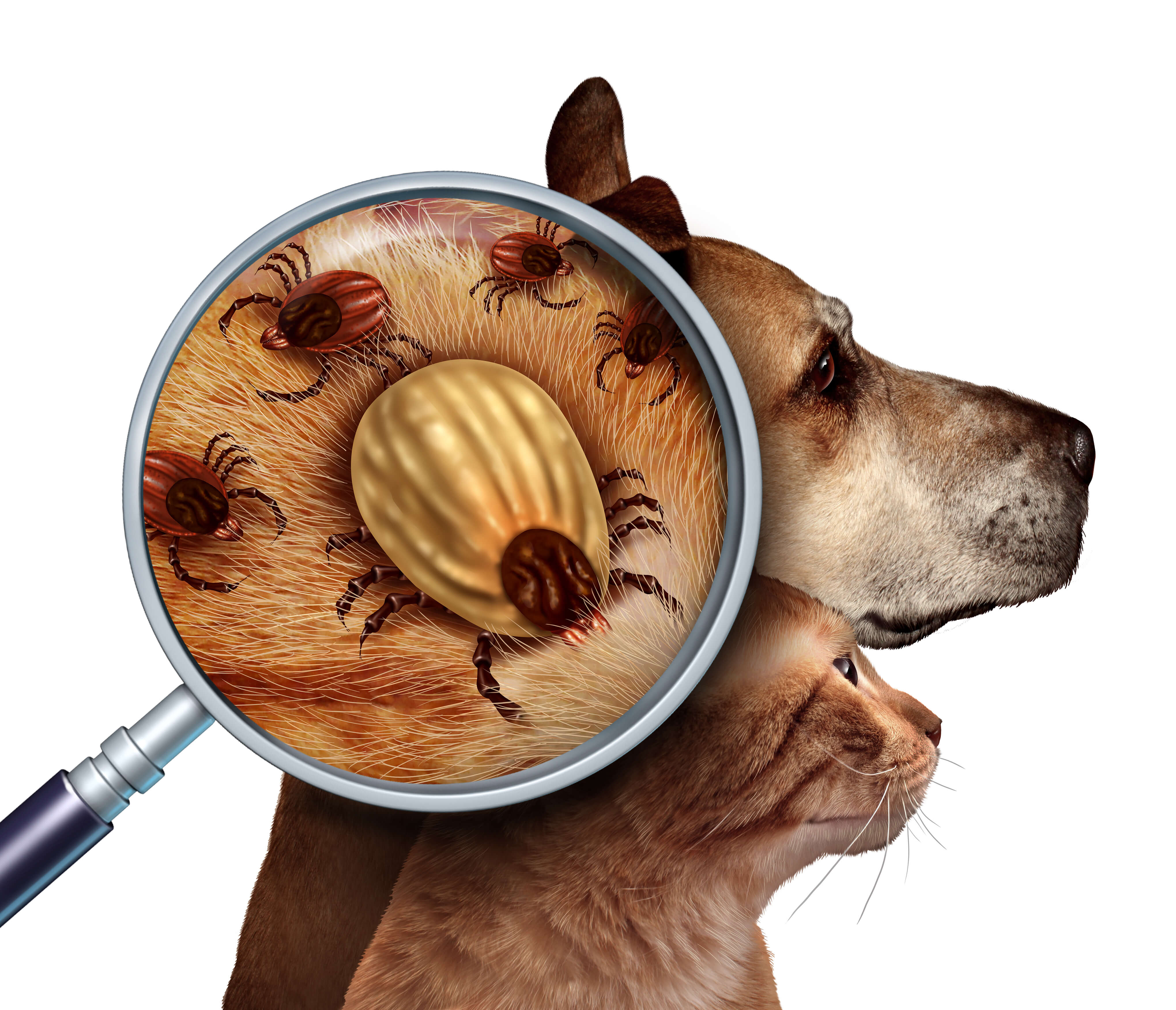
“With the warm weather now in play and the high season for ticks, the Australian Veterinary Association (AVA) is encouraging pet owners to talk to their veterinarian now about ways to prevent serious harm or death from toxic ticks.” – AVA Media Release
Click HERE to read more from AVA

Copyright : budabar
“Positive Hendra virus case confirmed near Tweed Heads” – Latest news from New South Wales Department of Primary Industry confirmed that a 4-year-old Arab cross located near Tweed Heads was positive of Hendra virus. [Read More]

Copyright : damedeeso
One of the great things the month of September brings is highlighting the conversation on pets welfare focusing more on educational campaigns for pet owners to be sensitive and alert on their pet’s body language to easily recognize signs of our pets’ pains & discomforts. With our pets inability to express pains into words, knowing the signs can greatly help pet parents ease and remedy the situation.
Know more about your pets’ pains & discomfort!
How to Recognize When Pets are in Pain [ Click To Read More]

Copyright : annepunch
The AVA has published a new policy “banning” routine dew claw removal, declawing any other procedure “for human convenience”. That means that any veterinarian who does these without animal welfare or medical reasons can be thrown out of the AVA. READ THE NEW POLICY HERE

Copyright : Aleksey Mnogosmyslov
The new AVA Guidelines no longer have a blanket recommendation for “three yearly or “triennial” vaccines referring instead for a personal discussion with your veterinarian based on presumed disease load in the community. Members who need assistance translating the vet-speak are welcome to contact the office. READ THE POLICY HERE
| © 2026 Pets Australia Pty Ltd | Privacy Policy | Terms of Use |

Disclaimer: The information on this site is of a general nature and should not be taken as specific business, legal, veterinary or tax advice.
You should consult your professional adviser before acting on this information
Issued by Pets Australia Pty Limited ABN 79 141 473 958 PO Box 89 Wahroonga NSW 2076
Phone: 02 8214 8653 Email: petsaustralia@petsaustralia.org