

So you want to start a pet business?
OK you have a great idea for a pet business or you want to work with animals and be your own boss. Pets Australia is pleased to help with a checklist of the 20 most important things that you will need to do to get yourself going…
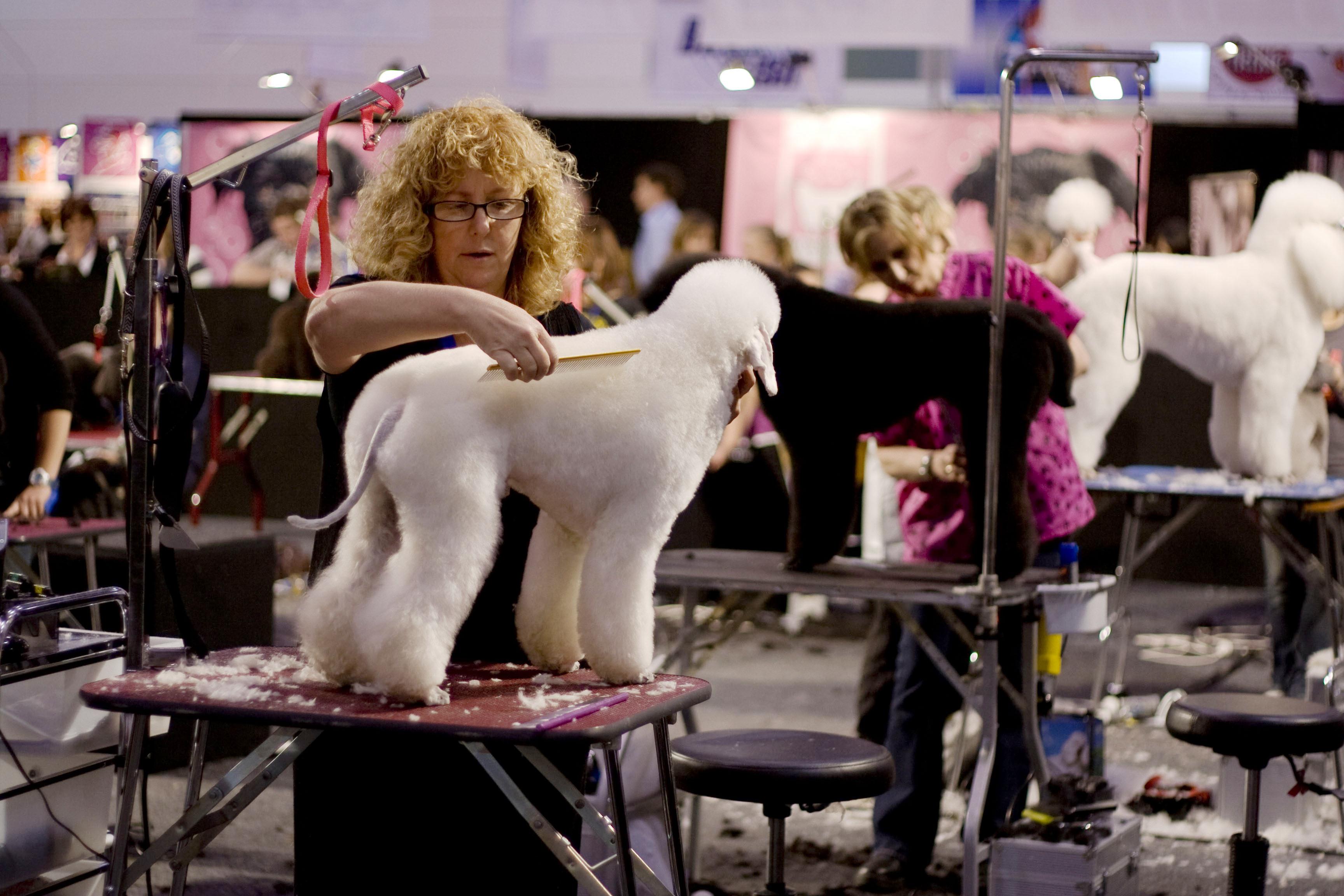
1. Think of what the business will actually DO.
Who the customers will be, what will make you different to the others, and how you are going to deliver the products and services. This will help determine the structure of the business that you are going to form. Then consider that there are thousands of businesses that care for and cater for pets. What is it that your business will do that NOBODY else is doing? What is your “USP”? A “USP” is a Unique Selling Proposition – that essence, element, produce or service that will make you genuinely unique (and no, great customer service is NOT a “USP”, all businesses try to do that!)
2. Join the Industry Group.
Many business consultants agree that joining an industry group early in your planning for your business allows you to access help, find mentors, get important industry information and meet successful business people in the industry (and discover what has made them successful!). Joining Pets Australia will give you access to handy business templates and guideance notes that will be useful, as well as access to members blogs and forums.
3. Create a business plan.
Unless your business is going to be a hobby business, a business plan is a good idea. Business plan templates can be found on the net, or from your accountant and TAFE students can also access a business planning kit. Not much good starting a business if it’s not going to pay for itself (and pay you too!). CLICK HERE for some useful links. Pets Australia members also have access to telephone assistance in developing their strategic plan, as well as many “tricks of the trade” from their experience in the pet industry that can help you!
4. Think about how many $$ you will need to start the business
AND how long you can live without a real income while the business gets off the ground. Can you survive 6-12 months AND fund the set up costs of the business? If not, will you need a bank loan and what will you put up as collateral?
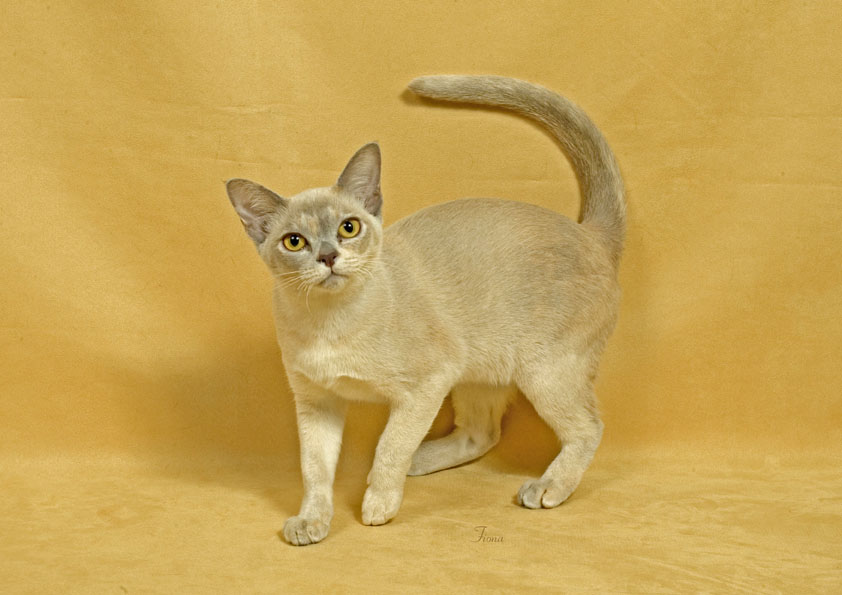
5. Think about business structure.
Will you be a sole trader? (this means you can lose everything if the business fails) Will you be a Pty Ltd Company? This means increased regulation. If you need help with structure, talk to an accountant before you register your company. Getting it “right” at the beginning can make a HUGE difference later! There is an easy to follow analysis of the different company structure by CLICKING HERE
Make sure you go to the right margin in this section and click on each of the structures to learn about it. For example, sole trader might be the simplest form of business structure, but you can lose your house if someone really wants to sue you! While there is more paperwork, if you own assets (eg your home) a Pty Ltd structure might be a whole lot safer. If you are setting up a not-for-profit, while “Inc” might sound attractive from a business point of view, a “Ltd” company actually gives you a lot more flexiblity. Think about how your business will grow, NOT about the set up now!
6. Think of a business name.
You can check if your preferred name is already taken by searching the ASIC website www.asic.gov.au and search company names, BUT the name may also be registered by Fair Trading in your state, so you should check there too. If you want to look up whether or not a particular business name has been used, you can use the ABN Lookup took CLICK HERE
Remember to choose a name that will be easy to find on search engines – odd spellings might make you unique, but might stop clients finding you when they don’t spell you correctly in their search engines.
Regardless of which state and territory you live in, in 2012 the business names system went national – it’s all under the ASIC structure now. So, to register your new business name, CLICK HERE FOR DETAILS

What about dog walking or in home minding? Thanks to Dave, Jo & Kayla Williams for this photo!
7. Now develop a constitution to set up your company.
Fill in all the go to ASIC forms and get your business an ACN, OR use a corporate service provider (eg Patricia Holdings Pty Ltd) to do the work for you.
8. What about business premises?
Are you going to work from home? If so, do not claim business expenses like electricity and phones on the business until you have spoken to your accountant. If you are trading from home, are you prepared for your (sometimes angry?) clients to know where you live and be able to “invade your space” during evenings and quiet weekends?
If you are going to lease premises, member the rule: location, location, location. Premises without parking or good exposure may be poison for a new business; and cheap is not necessarily the best. Remember if you are buying commercial premises you may be able to get some advantages in relation to self managed superannuation.
9. Check Local Council Requirements!
Local Councils have so many and varied requirements that many businesses can go out of business before they really get started. Complying with requirements can cost thousands, and trading from home is no excuse – they can require all sorts of criteria for home based businesses as well. DO NOT just start trading and think that you will be OK – Councils have absolutely no problem shutting businesses down, and re-establishing after you have opened can bankrupt you. Talk to Councils in advance, whether home based or not.
10. Now work out what operating licenses you need eg for water, waste, etc.
The best way to find out which operating licences you need is to visit the Business Licence Information Service (BLIS) website for your State:
Not all states and territories have full information as they are moving over to the BLIS (ACT data can be a bit circular) but start out BY CLICKING HERE. If you need more information, most of the state and territory pages have direct contact email addresses.
11. Find out what Codes of practice you will have to meet.
Depending on the state/territory, there are Codes of Practice (mandatory or not) for Boarding establishments, Pet retail establishments, Gooming Salons, Pet Transport and Breeding as well as water management codes in ACT and Qld.
NSW – CLICK HERE VIC – CLICK HERE QLD – CLICK HERE
SA – CLICK HERE ACT – CLICK HERE NT – CLICK HERE
TAS – CLICK HERE WA – (no relevant Codes at this time).
12. Now you will need registration with the Australian Taxation Office, so you can trade.
CLICK HERE FOR LINKS for more information. Without an ABN (Australian Business Number) it is impossible to open a bank account. You can register online for an and ABN, for GST (Goods & Services Tax) and PAYG (Pay as you go) Tax.
13. You will need a bank account.
Take your Certificate of Incorporation and your ACN or ABN to the bank of your choice and open accounts, establish loans and credit card merchant facilities.
14. You will almost certainly need a computer system, if only to keep your website up to date.
Work out whether you are going to get a PC or a Mac. You can choose open source software or buy MS Office, get yourself an internet provider and Gmail or hotmail account (and bingo, you have email!), and a printer so you can print out all the good stuff from the Pets Australia website.
15. If you are serious about the business getting bigger, you will also need other software.
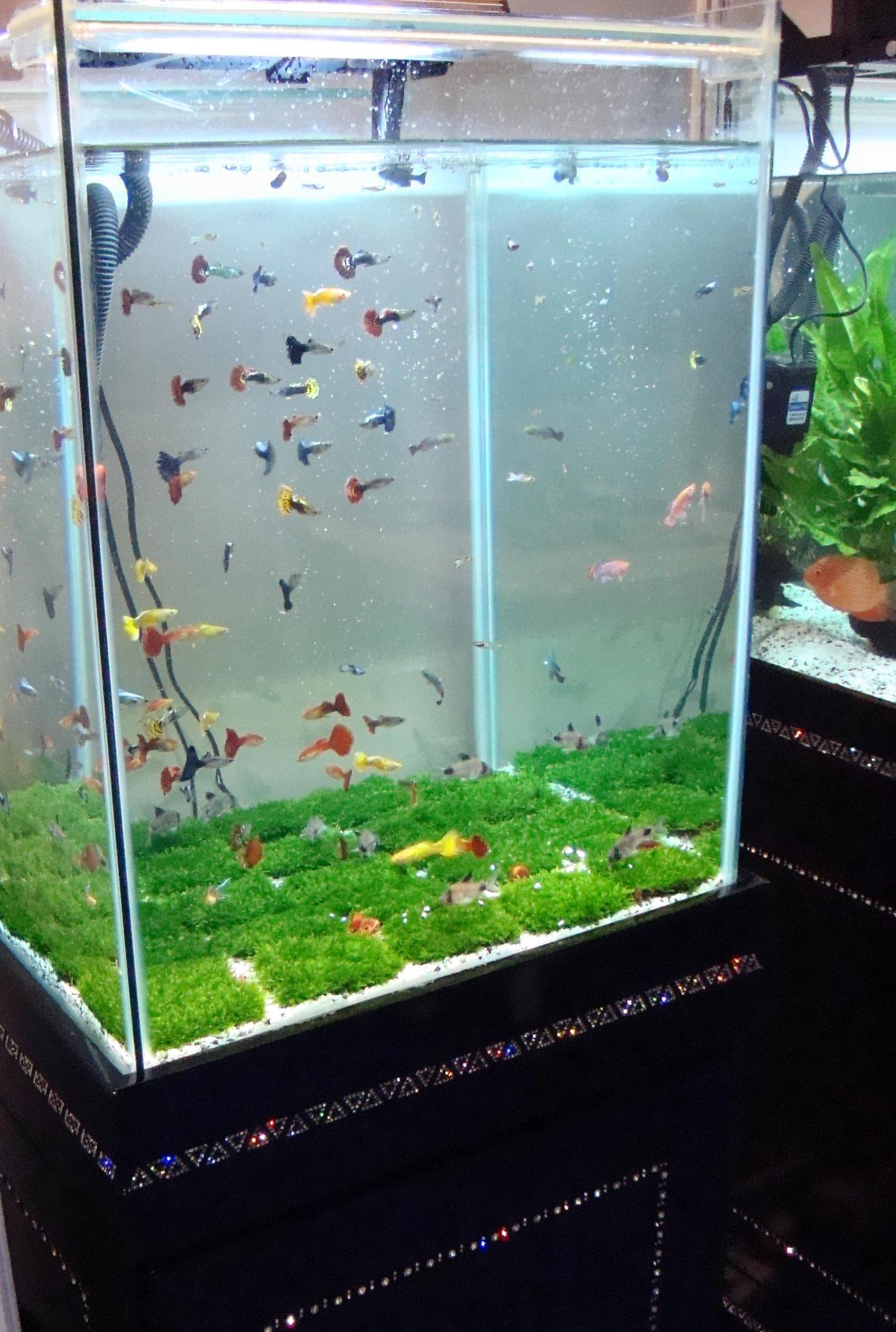
How about specialist aquarium retail?
Such as MYOB, or specialised boarding software, or specialist grooming software. Think about who is going to do your accounts – you will almost certainly need some help in setting up your MYOB even if you are going to do your own books. (Pets Australia can help with MYOB consultants and great deals on MYOB software)
16. You WILL need a web site.
Research shows that MORE THAN 90% of new business comes off the web – surpassing all the telephone book listings. You will need an email address and an ISP (Internet Service provider) as well as your web page content for your web site. Pets Australia can help with simple web pages or talk to your ISP or local computer service people.
Make sure that when you generate a website, that it is also able to be viewed on mobile devices and that you spend some time and money on SEO (search engine optimisation) so the search engines can find you. Pets Australia members have access to special deals on website development, from people expert in the pet industry and also have some “tricks of the trade” to help make your website work.
17. You will need a Facebook page.
Your Facebook (/Instagram/Snapchat/etc) page is your conversation with current clients, where you website is your billboard to attract new clients. Many people think that a Facebook page is a suitable substitute for a website (or vice versa). IT ISN’T. Clients use both to assess your suitability for their business, and search engines still prefer websites in searches. You will need both, link them to each other, and help them to find you easily.
18. Now to business equipment.
Leasing is more expensive, but has some accounting advantages and doesn’t upset your cash flow quite as badly. Talk to your accountant about buy vs lease. Get only the equipment you need to work NOW, and save those $$ for the future.
19. Now you will need phones.
Talk to Telstra or VoIP (Voice Over Internet Protocol) providers and make your bookings. VoIP results in really substantial savings on telephone bills, but the quality may not be quite as good. Remember, that business that uses only mobile numbers (especially if you don’t have a quality website) can be seen by clients as “fly by night” or unprofessional.
20. Insurance is a necessity, not a luxury cost.
You will need as a very least income protection, general insurance (building contents, pets in care etc), building (depends on your situation), and public liability. One law suit on a poorly insured business can spell the end of that business. Workers compensation is also a necessity for most businesses. Pets Australia members enjoy excellent insurance deals through their member service provider!
Now you are ready to trade!
Good luck in your pet business and remember that Pets Australia staff are always willing to help you get your business off the ground with great member services and good advice.